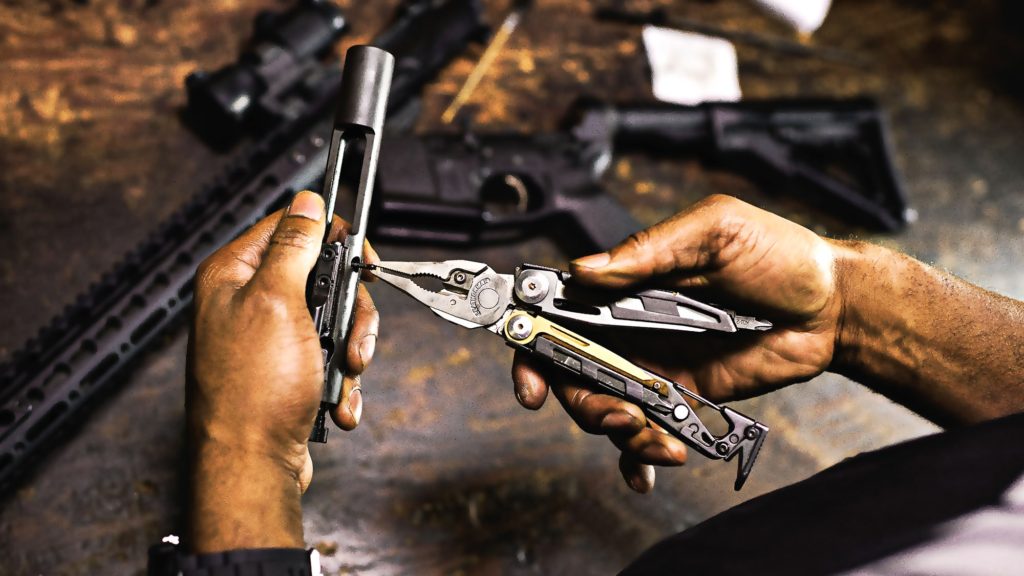
Firearm Safety and Maintenance
Firearm maintenance involves a set of routine preventive maintenance processes aimed at ensuring that a firearm functions in optimal condition, with the correct use of various chemical and technical equipment. Proper fire safety practices need to be followed to avoid fire accidents, and these may also involve the timely application of preventive maintenance methods.
In addition to the more common components used in firearms, a number of specialized products are used for the purpose. These include gun oils and lubricants, which can be very useful in preventing damage caused by corrosion. Some cleaning fluids and powders may also be applied for cleaning purposes. The most important products for these applications are recommended by a specialist, and in particular the ones that are recommended by law.
A number of companies offer fire safety training as part of firearm maintenance. This training helps to familiarise people with the way in which firearms function, and also helps to reduce the chances of accidents involving guns.
The Firearm Safety
Firearm safety can only be guaranteed if individuals follow a few basic rules. For instance, the use of unloaded firearms is highly discouraged. Even though this does not mean that a firearm is not safe, it does mean that a firearm should never be taken out of its box, especially if it has not been cleaned in several years. This is necessary to avoid corrosion which can result in a malfunction.
Many people take up a fire safety course when they first purchase a firearm. They do this to help ensure that they understand the dangers involved in handling firearms, in addition to helping them identify possible risks. However, there are some people who do not take up such a course because they feel that they already know how to use their guns, and that they do not need to learn any additional safety procedures.
One of the most common mistakes made by people in terms of firearm maintenance is to not ensure that all safes and ammunition are stored properly. Most safes have locking mechanisms, which make them ideal storage containers, but many people fail to put them in a place where they cannot accidentally be accessed. Similarly, many ammunition cases, as well as shells and bullet cases, should always be kept in a dry and cool, dry place.
The Firearm Maintenance
Firearm maintenance involves a number of other aspects such as cleaning and oiling the firearm. Cleaning involves the removal of any dirt, dust and debris that may have accumulated inside the weapon. However, this process should not be done too often, as excessive cleaning can result in damage to the internal components.
Fire safety is an issue which is not always discussed as much as it should be, but it is critical for everyone who owns a firearm. People can only enjoy the benefits of firearm ownership if they know how to maintain and use them safely. Fire safety training should therefore be undertaken, and it is always advisable to hire a specialist company for such services.
Firearm maintenance can only be successfully carried out if the gun is regularly inspected and checked to ensure that it is in the best possible condition. The safety switch should be turned on if the firearm is not being used, and the hammer should be checked to make sure that it is not touching any metal part of the weapon or moving around while in use.
Firearm maintenance also requires that the firearm is refinished after every firing or hunting session. The barrel and chamber should be checked to make sure that there are no signs of rust, and that all parts of the firearm are free from dirt, grease and dirt. It is also essential to check the trigger and the firing pin to ensure that there is no jamming. The gun should never be put into storage until these issues are cleared up.
Firearm maintenance will also mean checking the firearm after every hunting trip to ensure that the firearm is free from any scratches, dents or dings. The trigger guard, if present, should be thoroughly cleaned before replacing it. In addition, the slide of the firearm should be checked to make sure that it is not sticking, as well as ensuring that the safety is in proper working condition.
Finally, firearm maintenance should include regularly checking the barrels of the firearm, as the quality of the firearm depends on it. Once the barrel has been inspected, it is important that it is properly lubricated in order to ensure that the firearm performs at its optimum level.